A majlis is designed around the act of welcoming people. Its character comes from the relationship between seating, conversation, the arrival experience and the rituals of hospitality. A contemporary approach can preserve those qualities while giving the space a calm, personal identity.
Define how you host
Begin with the gatherings the room will accommodate. How many guests visit regularly? Is the room used for formal occasions, relaxed family evenings or both? Will food be served at the seating area, and where will refreshments be prepared?
Discuss privacy from the entrance and the route to nearby facilities. If the majlis is separate from the family living area, consider both guest access and the route used for service. A convenient service route should support the gathering without repeatedly interrupting it.
Draw the seating and the routes together
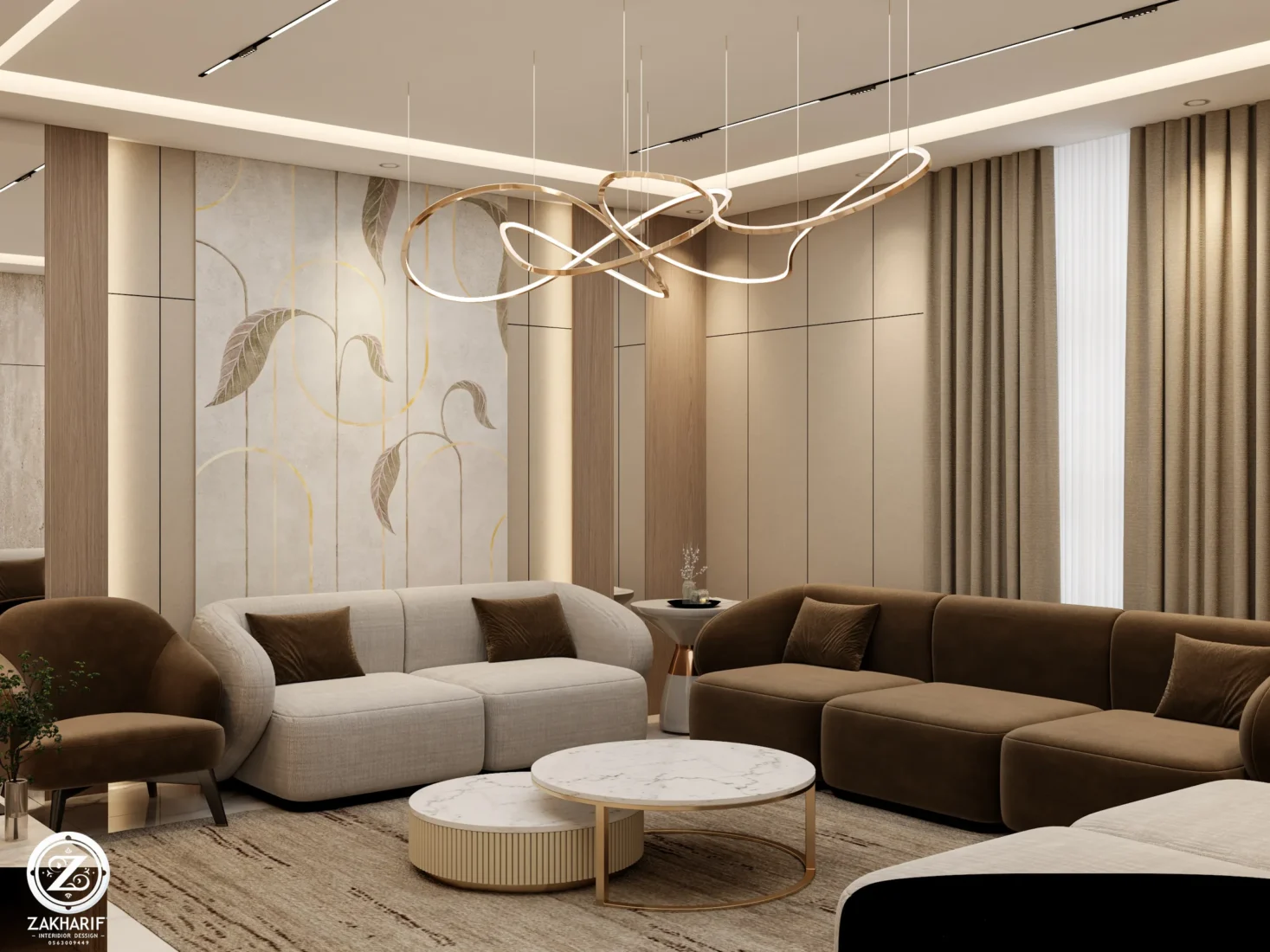
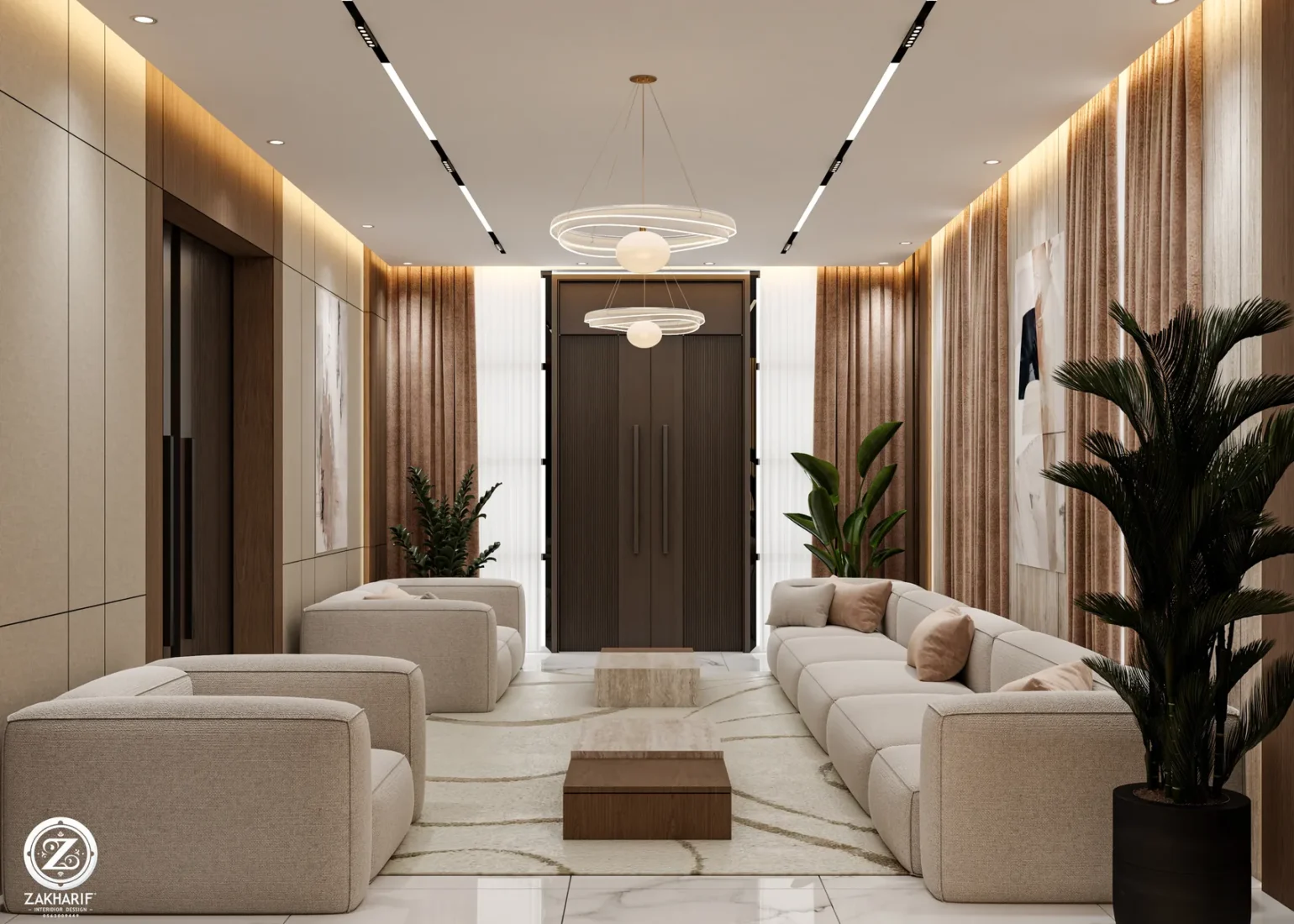
Arrange sofas and chairs so people can speak comfortably across the group. A perimeter arrangement can suit some rooms; smaller conversational groups may work better in others. Let room proportions, doors and the expected number of guests guide the choice.
Test the layout with the real dimensions of seating and tables. Include the space needed to sit down, stand up and move with a tray. Consider how guests at different seats reach a side table, rather than relying on one oversized central table.
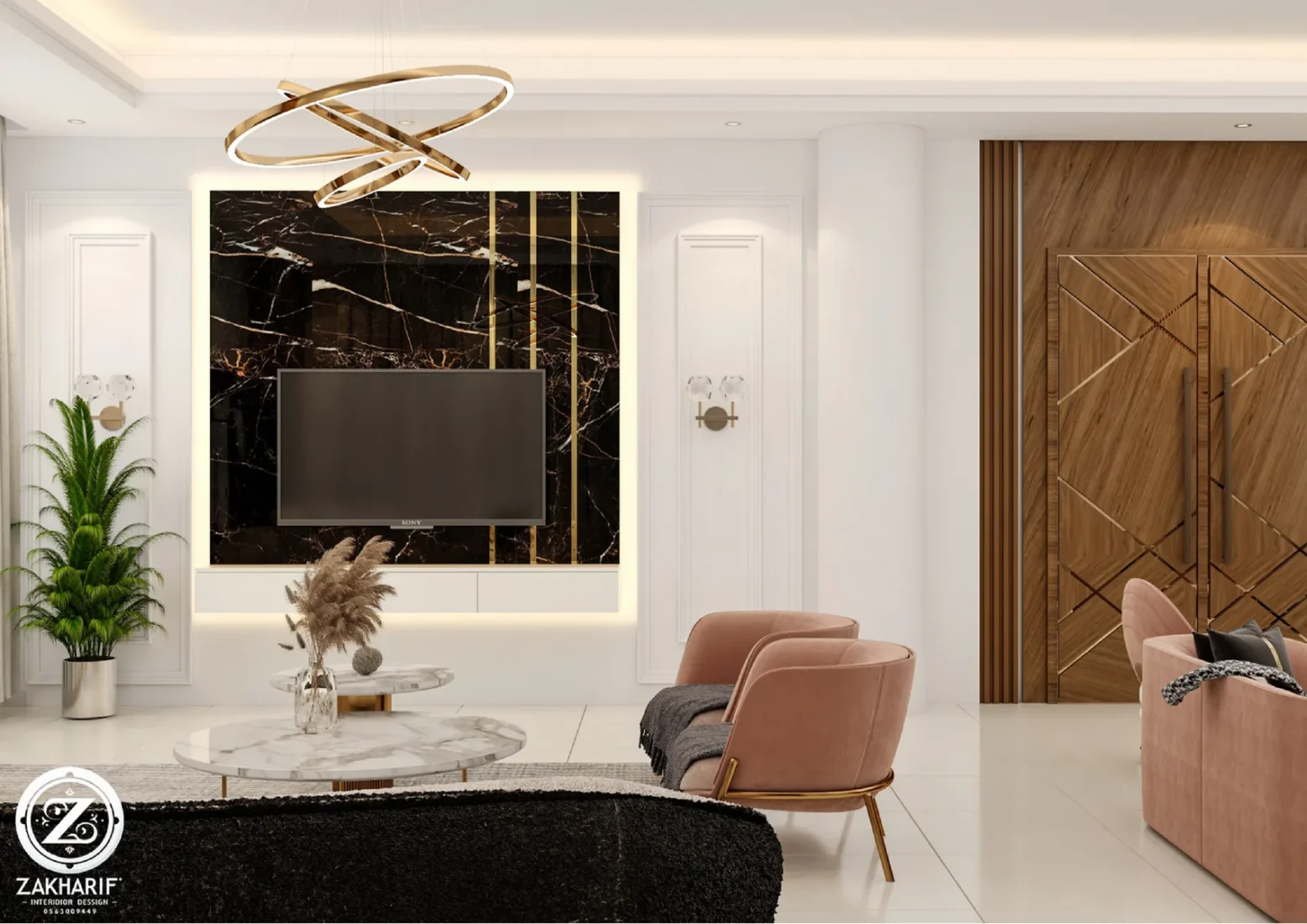
Use a focal point to give the room direction. It might be a considered wall composition, an artwork or a view. A television can be included when it is part of the brief, but the layout should also work when the screen is off.
Balance character with everyday comfort
Choose a restrained set of finishes and let proportion and texture carry the detail. Timber, stone, fabric and metal can work together when their tones have a clear relationship. If the ceiling is expressive, a quieter wall treatment can help the room feel composed.
Review upholstery samples for feel, cleaning requirements and suitability for regular hospitality. Rugs, curtains and upholstered pieces can soften the character of a room, but the actual acoustic result depends on its complete construction and surfaces.
Give light more than one role
A decorative pendant can anchor the composition, while other lighting supports conversation, circulation and the appreciation of materials. Plan the light with the seating arrangement so guests do not look directly into an exposed source.
Use separate controls where they are useful: an everyday setting, a brighter preparation setting and a softer evening atmosphere. Read our design journal for the guide to layered lighting, and explore majlis design images for different compositions.
Your majlis design brief
- Room dimensions, ceiling height and door positions.
- Usual guest numbers and the type of gatherings.
- Privacy, service access and storage requirements.
- Seating preferences, retained pieces and reference images.
- Cleaning expectations and your preferred material palette.
Majlis design questions
Does a luxurious majlis need many decorative elements?
It can be defined by well-proportioned furniture, carefully selected materials and good lighting. The level of ornament should follow your preferences and the room’s proportions.
Can a smaller room work as a majlis?
Yes. Agree on a realistic seating capacity and protect the entry and circulation routes. Fewer, appropriately sized pieces often create a more welcoming arrangement than squeezing in extra seats.
Discover residential design at ZAKHARIF or send your majlis plan to begin a conversation about your space.
Let’s connect these ideas to your space.
Request a consultation